Wood Decay Removal in Denver County, CO
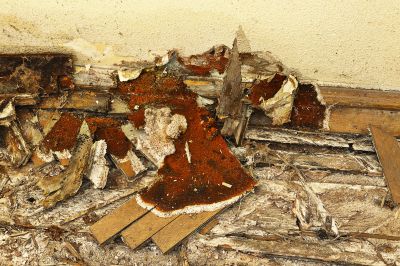
Wood decay removal services focus on identifying and eliminating damaged or compromised wood components within a property. This service typically covers areas such as decks, fences, porches, framing, and other wooden structures that may be affected by rot, fungi, or insect activity. Property owners should understand that this process involves inspecting affected areas, removing decayed wood, and treating the remaining structures to prevent future deterioration. Proper removal and treatment help maintain the safety, stability, and appearance of the property’s wooden features.
Before requesting wood decay removal, homeowners often want to know the extent of the damage and whether the affected wood can be restored or needs replacement. It’s important to assess if the decay is localized or widespread, as well as to understand the underlying causes, such as moisture issues or pest activity. Clarifying these points can help determine the most effective approach to preserve the integrity of the structure and prevent recurring problems.
Many property owners in Denver County, CO look into Wood Decay Removal for repairs, replacements, upgrades, and appearance-related improvements.
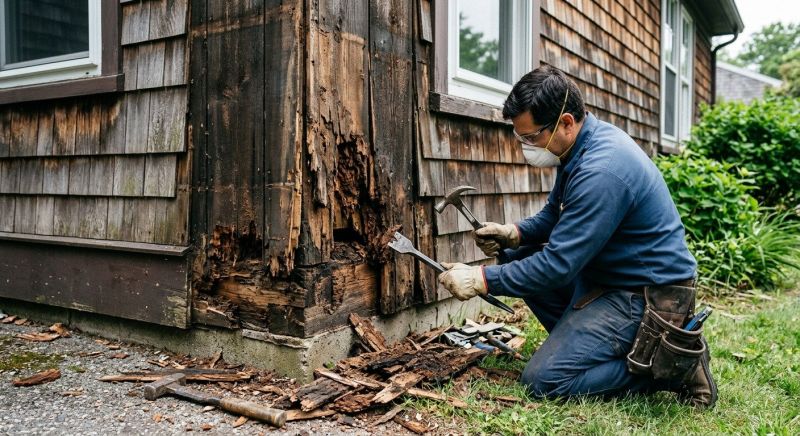
Wood Decay Removal Services
Examples of wood decay removal work property owners may explore in denver county, co.
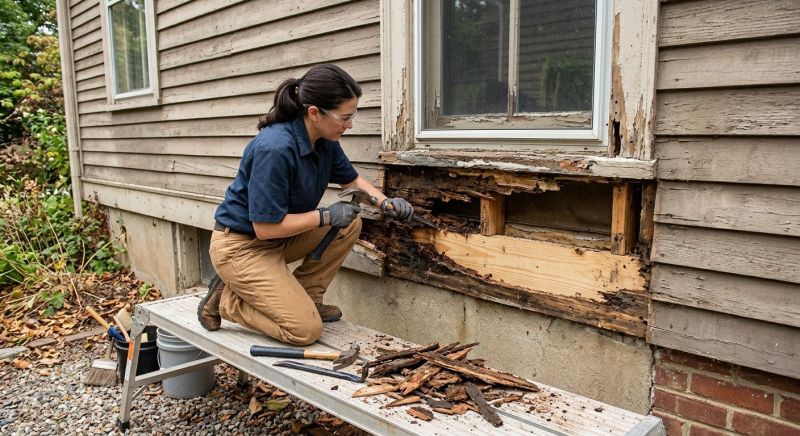
Wood Decay Removal Updates
Common ways people refresh, improve, or restore wood decay removal features in denver county, co.
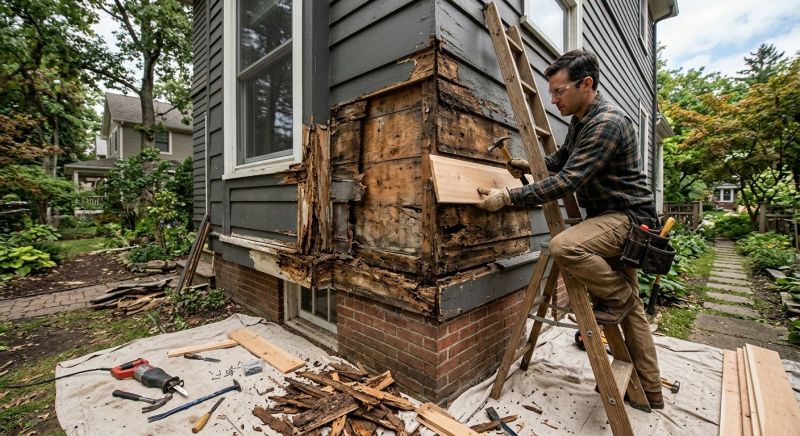
Wood Decay Removal Options
Different styles, layouts, and finishes people consider for wood decay removal in denver county, co.
Wood Decay Removal in Denver County, CO

Wood decay removal services focus on identifying and eliminating damaged or compromised wood components within a property. This service typically covers areas such as decks, fences, porches, framing, and other wooden structures that may be affected by rot, fungi, or insect activity. Property owners should understand that this process involves inspecting affected areas, removing decayed wood, and treating the remaining structures to prevent future deterioration. Proper removal and treatment help maintain the safety, stability, and appearance of the property’s wooden features.
Before requesting wood decay removal, homeowners often want to know the extent of the damage and whether the affected wood can be restored or needs replacement. It’s important to assess if the decay is localized or widespread, as well as to understand the underlying causes, such as moisture issues or pest activity. Clarifying these points can help determine the most effective approach to preserve the integrity of the structure and prevent recurring problems.
Many property owners in Denver County, CO look into Wood Decay Removal for repairs, replacements, upgrades, and appearance-related improvements.
Common Wood Decay Removal Jobs
Wood Decay Removal - Eliminates rotted wood to prevent further structural damage.
Fungal and mold removal - Removes mold and fungi that contribute to wood decay.
Damage assessment - Inspects affected wood to determine the extent of decay.
Rot replacement - Replaces severely decayed wood to restore stability.
Preventative treatments - Applies solutions to inhibit future wood decay.
Surface cleaning - Cleans affected areas to improve appearance and prevent further issues.
Wood Decay Removal Questions
What causes wood decay in structures? Wood decay is typically caused by moisture exposure that promotes fungal growth, leading to deterioration of the wood material.
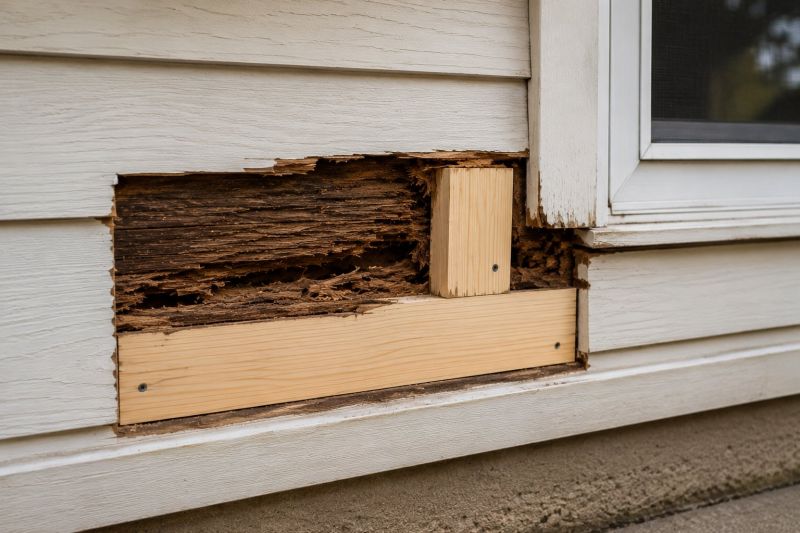
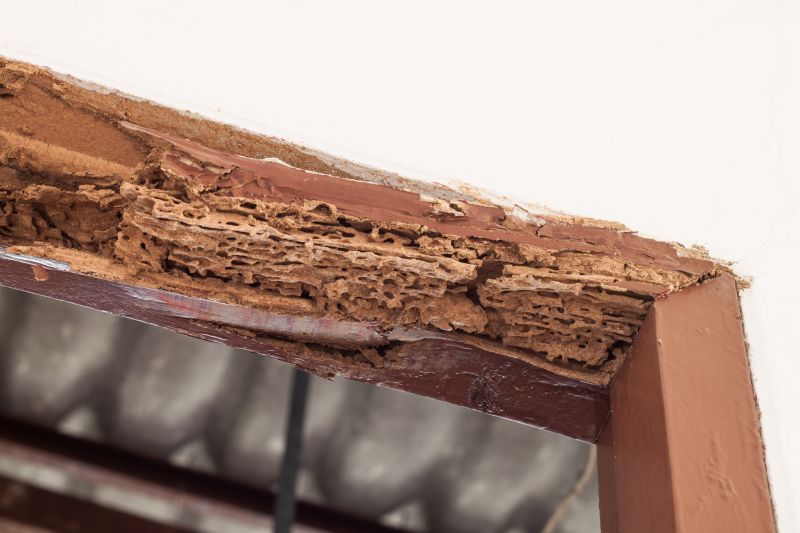
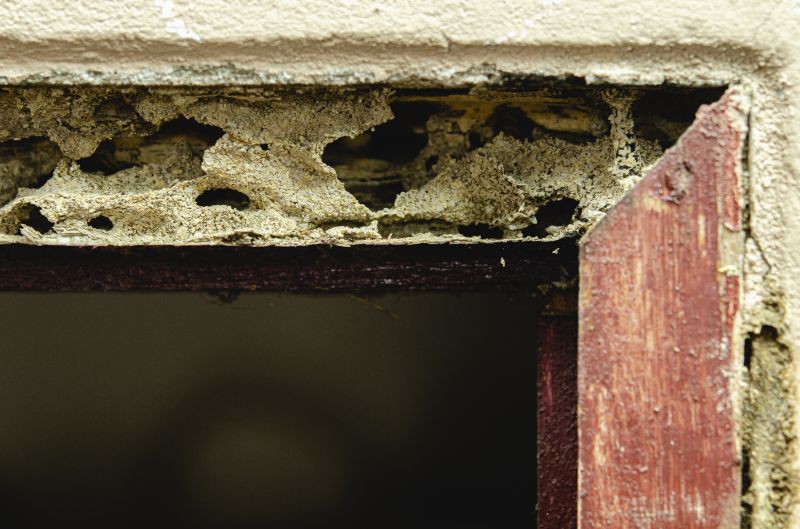
How can I tell if my wood has decay? Signs include soft or spongy wood, discoloration, or visible mold and rot, especially in areas prone to moisture.
Is removal necessary for all types of wood decay? Not all decay requires removal; it depends on the extent of the damage and the structural impact.
What are common projects involving wood decay removal? Common projects include repairing or replacing damaged beams, porch posts, siding, and framing affected by decay.
Request Wood Decay Removal in Denver County, CO
Use the quote form on this page to share the basics of your project and request more information for the type of work you need.